
Starting a podcast is more approachable than it looks. You don’t need a studio, just a clear idea, a decent microphone and a plan to keep going. This checklist takes you from idea to published episode.
1. Define your show
Before you buy anything, answer three questions:
- Who is it for? Be specific. “Small business owners learning marketing” beats “everyone.”
- What will they get? A clear promise: practical tips, interviews, stories, news.
- Why you? Your experience, curiosity or access to guests.
Write a one-sentence description of the show. If you can’t, the idea needs more work.
2. Choose a format
Common formats include:
- Solo: just you, teaching or sharing ideas. Easiest to start.
- Interview: you talk with guests. Good for networking and variety.
- Co-hosted: two or more people in conversation.
- Narrative: produced stories. Powerful but time-consuming.
Pick the format you can sustain for months, not the most impressive one.
3. Plan your first episodes
Plan at least three to five episodes before you launch, so listeners have something to binge. For each, write:
- A working title.
- Three to five key points.
- A clear opening and a closing call to action.
Aim for a length that matches your topic. Many shows work well between 15 and 40 minutes.
4. Get your equipment
You can start with little:
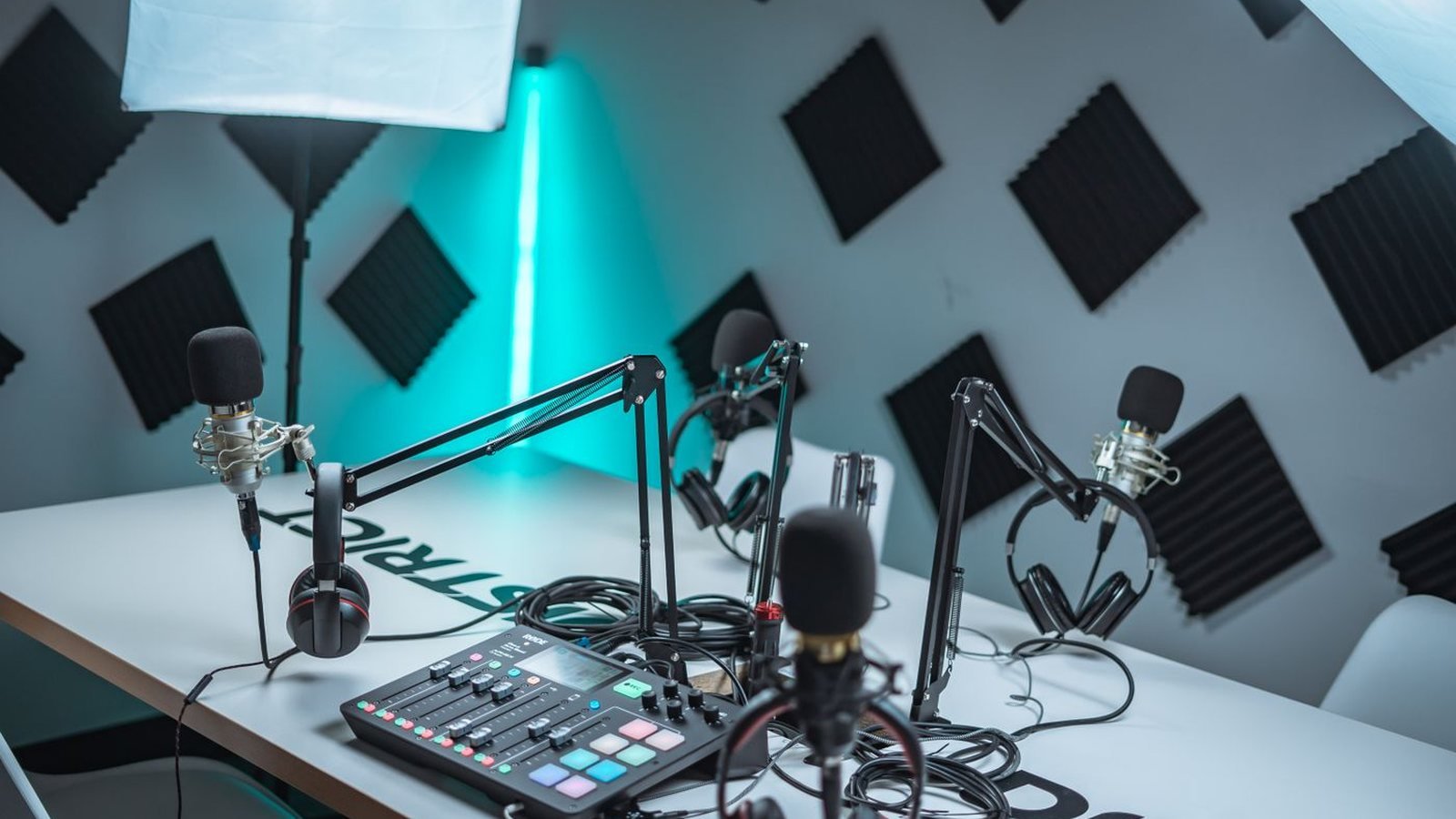
- A USB microphone or a simple dynamic microphone, which usually gives clean audio at a modest price.
- Headphones so you can hear what you record.
- A quiet room. Soft furnishings absorb echo. A closet full of clothes works surprisingly well.
- Recording software. Free options exist for all major computers.
Audio quality matters more than video. Get that right first.
5. Record and edit
- Record a short test and listen back.
- Speak at a steady distance from the microphone.
- Edit out long pauses, mistakes and distractions, but keep the natural feel.
- Add a short intro and outro.
- Export at a standard podcast format and a consistent volume.
6. Choose a hosting platform and publish
A podcast host stores your audio and creates an RSS feed. You submit that feed to directories such as Spotify and Apple Podcasts so listeners can find you. Follow each directory’s instructions, and expect a short review period.
The Podcasting on Spotify course walks through setup and publishing, and the Launching a Successful Podcast course covers planning and growth.
7. Create your show artwork and description
- Cover art: a simple, bold, readable image that looks good at small sizes.
- Title: clear and searchable.
- Description: who it’s for and what listeners will get, with natural keywords.
- Episode titles and notes: descriptive, with links to anything you mention.
8. Promote your launch
- Tell your email list. If you don’t have one yet, see email marketing for beginners.
- Share short audio or video clips on social media.
- Ask friends, colleagues and guests to listen and share.
- Put each episode on your website with a transcript or summary. This also helps with search; see content marketing: create less, distribute more.
9. Keep a schedule
Consistency builds an audience. Choose a rhythm you can keep, weekly or every two weeks, and batch record when you can. It’s better to publish fewer, reliable episodes than to burn out after ten.
10. Think about making money
Revenue options include sponsorships, affiliate links, selling your own products or services, memberships and driving listeners to your business. Most shows start by using the podcast to support another goal, such as building authority or generating leads. See 5 revenue streams every creator should build.
Podcast launch checklist
- Audience and promise defined.
- Format chosen.
- Three to five episodes planned.
- Equipment tested.
- First episodes recorded and edited.
- Hosting account and RSS feed ready.
- Cover art and descriptions done.
- Submitted to directories.
- Launch plan and schedule in place.
Start small, publish the first episode and improve as you go. You will learn more from your first five episodes than from any amount of planning.
Want to go deeper? Browse the AdCoach course library for short, practical lessons on this topic, or start a 7-day free trial.