
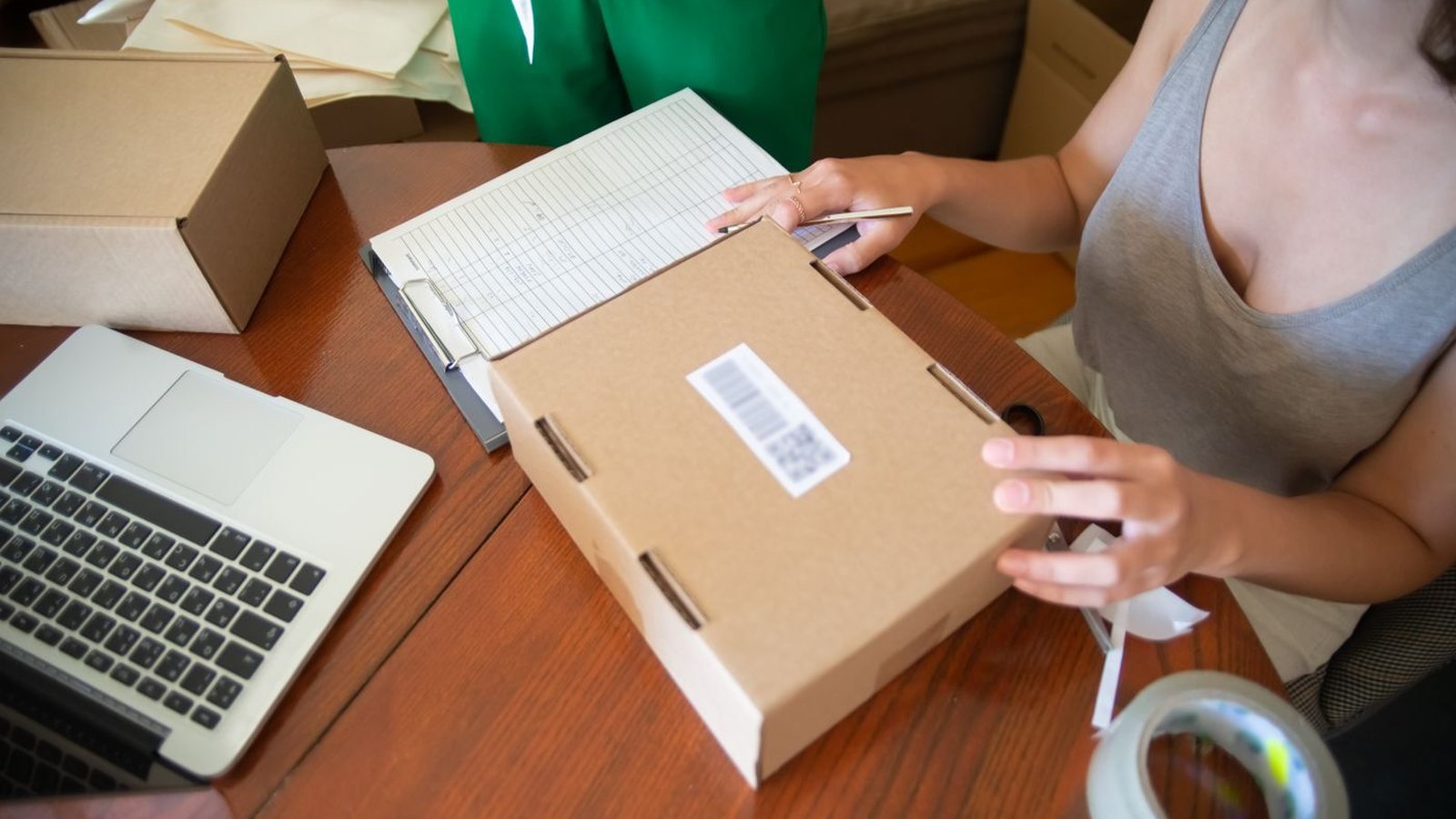
If you want to sell products online, three popular routes are dropshipping, Amazon FBA and Etsy. Each has different costs, risks and skill requirements. This comparison will help you choose one that fits your goals, budget and temperament.
The three models in brief
Dropshipping. You run an online store, but you don’t hold inventory. When a customer orders, a supplier ships the product directly to them. You make money on the difference between your price and the supplier’s price.
Amazon FBA (Fulfillment by Amazon). You buy or make inventory and send it to Amazon’s warehouses. Amazon stores it, ships orders and handles returns. See our full guide: Amazon FBA explained.
Etsy. A marketplace for handmade, vintage and craft supplies, plus original designs. You list your products and fulfill orders yourself, or with help.
Quick comparison
| Dropshipping | Amazon FBA | Etsy | |
|---|---|---|---|
| Inventory | None | You buy and ship to Amazon | You make or source it |
| Upfront cost | Low | Higher (stock, shipping) | Low to moderate |
| Control over quality | Low | High | High |
| Control over shipping | Low | Amazon handles it | You handle it |
| Competition | Very high | High | High in popular niches |
| Brand building | Possible on your own store | Limited | Moderate, with a shop identity |
| Best for | Testing ideas cheaply | Scalable private-label products | Creative, handmade or custom goods |
Dropshipping: low cost, low control
Pros
- Little money tied up in stock.
- Easy to test many products.
- Run from anywhere.
Cons
- Thin margins, since many sellers sell the same items.
- You depend on suppliers for quality and shipping times, which affects customer reviews.
- You are responsible for customer service even when problems come from the supplier.
- Customer acquisition (ads, content) is costly.
Fits you if: you want to test ideas with limited capital and are comfortable with marketing and customer service.
The Dropshipping Playbook course covers finding suppliers, building a store and marketing it.
Amazon FBA: more capital, more scale
Pros
- Access to Amazon’s huge audience of buyers who are ready to purchase.
- Amazon handles storage, shipping and returns.
- Potential to build a scalable private-label product.
Cons
- Upfront investment in inventory.
- Fees reduce margins, and they change over time.
- Competition on popular products is strong.
- You rely on Amazon’s rules and platform.
Fits you if: you have some capital, like spreadsheets and research, and want a product business that can scale.
Learn the process in the Start Selling with Amazon FBA course.
Etsy: creative goods with a built-in audience
Pros
- Low startup cost.
- A marketplace of buyers looking for unique and handmade items.
- Room for brand personality and custom orders.
Cons
- Limited to products that fit Etsy’s rules about handmade, vintage and original design.
- Time-intensive if you make everything yourself.
- Fees and competition to consider.
- Platform dependence.
Fits you if: you make or design things and want to sell them with a small shop.
The Selling Success on Etsy course covers shop setup, listings and marketing.
How to choose
Ask yourself:
- How much money can I risk? If little, dropshipping or Etsy is easier to start.
- Do I want control over product quality? If yes, FBA or Etsy gives more.
- Am I creative or analytical? Creative people often like Etsy. Analytical people often enjoy FBA research.
- How much time do I have? Handmade products take time; FBA and dropshipping can be more systematized.
- Do I want to build my own brand? Consider your own website alongside marketplaces.
Don’t rely on one platform
Whichever you choose, build assets you own. An email list lets you reach customers directly. Learn how in email marketing for beginners. A store on your own site gives you more control; the WooCommerce course shows how to build one.
Check the numbers first
Before you commit, calculate your profit per sale after all costs: product, fees, shipping, returns and advertising. If the margin is thin, it may not be worth the effort. Use the same discipline as in how to price your services for maximum profit.
Start small and learn
Whichever model you choose, begin with a small test: one product, a small budget and a clear way to measure results. Broader guidance is in the Starting an Online Business course, and our post on launching on a $1,000 budget shows how to keep risk low.
Want to go deeper? Browse the AdCoach course library for short, practical lessons on this topic, or start a 7-day free trial.